
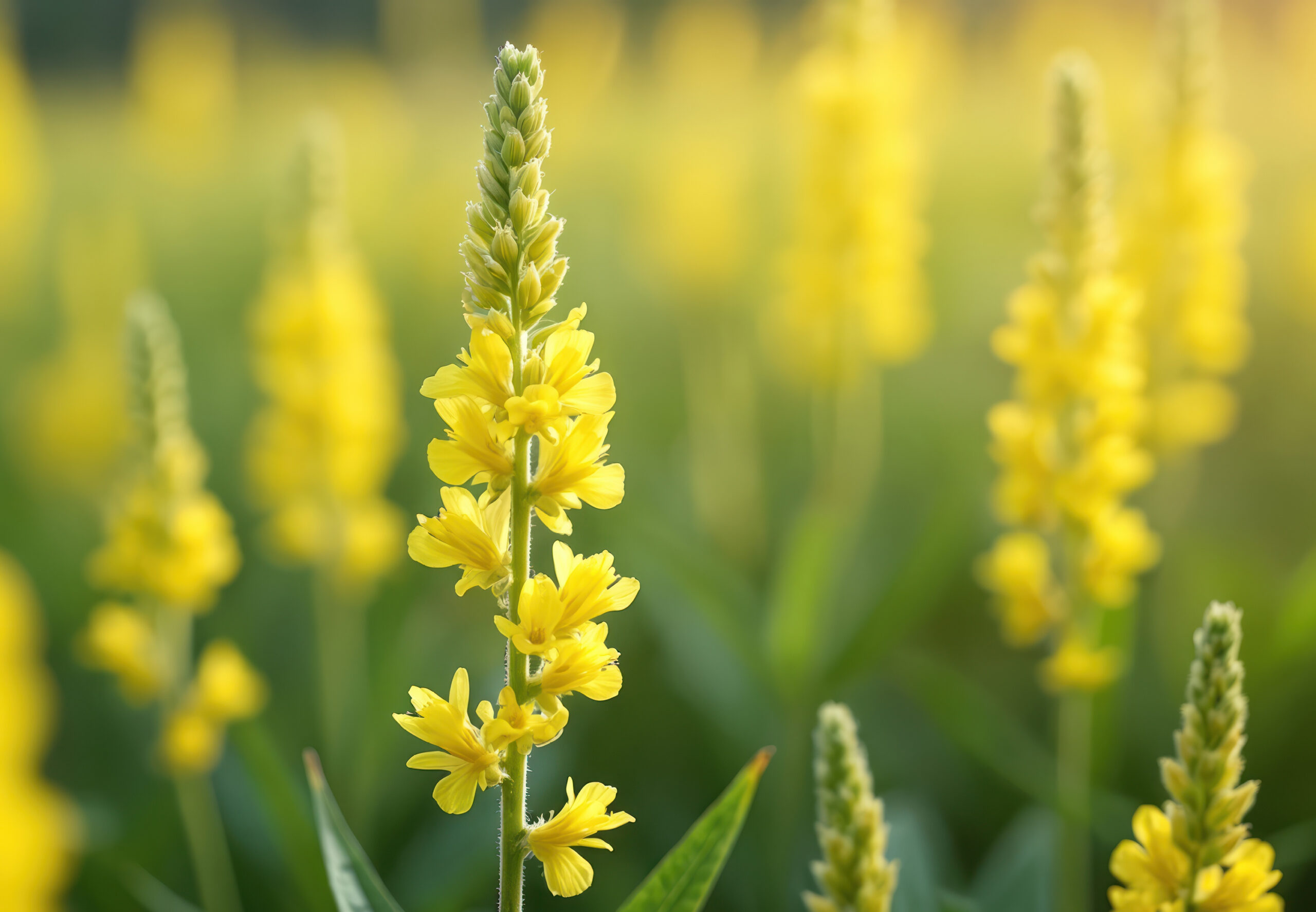
What is Sweet Clover (Melilot)?
Sweet clover, also known as melilot or melilotus, is one of those unassuming plants we often pass by without noticing, growing along roadsides or in open fields. Yet behind its long spikes and tiny white blossoms lies a truly aromatic treasure: an enticing fragrance strikingly reminiscent of vanilla, with notes of almond and freshly cut hay. Long overlooked, sweet clover is now emerging as an authentic symbol of our northern terroir — so much so that it’s often referred to as our “local vanilla.”
Origin and Botany: a Humble Plant with a Thousand Uses
White sweet clover (Melilotus albus), a biennial plant of the clover family, thrives naturally in dry, gravelly, sun‑exposed soils. It can grow up to 150 cm in height. Its delicate flowers, arranged in long, fragrant spikes, irresistibly attract bees. Grown as a melliferous plant, it helps produce a mild, floral honey and also serves as a green manure, enriching the soil with nitrogen.
A Unique Fragrance: the Magic of Coumarin
Sweet clover owes its popularity to coumarin, a natural compound responsible for its sweet, vanilla‑like aroma. This molecule is also found in “fake” cinnamon (cassia), tonka beans, and even in certain varieties of vanilla. As sweet clover flowers dry, their fragrance deepens, revealing notes of vanilla, almond, and warm hay. This distinctive aromatic signature has won over chefs, artisans, and even brewers, who sometimes use it to elevate the flavour profile of local beers.
Safety and Dosage
Like any potent aromatic ingredient, sweet clover requires careful handling. The coumarin it contains can be harmful to the liver if consumed in excessive amounts. Additionally, if the flowers ferment during drying, they may produce dicoumarol, a natural anticoagulant. Fortunately, the quantities used in cooking are very small and considered safe when recommended amounts are respected. Just a pinch is enough to flavour an entire recipe.
A Dessert Ally… with Savory Surprises
Sweet clover is an impressively versatile ingredient. Its aromatic profile pairs beautifully with:
- creamy desserts (panna cotta, crème brûlée, cheesecake)
- delicate fruits such as pear, raspberry, or peach
- chocolate, maple syrup, and baked goods
- cocktails, flavoured coffees, and sparkling waters
Even more surprising, it complements certain seafood wonderfully—especially lobster and scallops—adding a refined, floral touch.
Formats and Uses: Powder or Extract
Sweet clover is available mainly in two forms:
- Powder: add it to flours or infuse it in warm milk or cream. In baking, you can replace 1 teaspoon of vanilla with about ¾ teaspoon of sweet clover.
- Liquid extract: a direct, volume‑for‑volume substitute for vanilla extract. Just a few drops are enough to transform a recipe. Sweet clover extract can be made by macerating the flowers in alcohol, much like homemade vanilla extract.
The Benefits of White Sweet Clover: a Natural Treasure
Sweet clover is often described as a small natural pharmacy, rich in active compounds with notable properties. Among its main traditional uses are:
- anti‑inflammatory and soothing effects
- support for healthy blood circulation
- antispasmodic properties
- mild diuretic and cleansing effects
- calming and sedative qualities
Where to Buy Sweet Clover
White sweet clover can be found in various specialty shops and local terroir boutiques. If you don’t have a retailer nearby, it’s also available online in both powder and extract form.
Before buying, make sure the flowers were harvested in areas away from traffic, as this wild plant often grows along roadsides.
A Terroir Fragrance Worth (Re)Discovering
Sweet clover truly deserves to be discovered—or rediscovered. Behind its discreet appearance lies a singular fragrance, deeply rooted in a wild northern terroir. Whether it perfumes your desserts, cocktails, or savoury creations, it always brings a refined boreal touch. Sweet clover also reminds us that the treasures of our own landscape have nothing to envy from imported ingredients. A modest flower growing along the roadside… an aromatic gem just waiting to be revealed.