
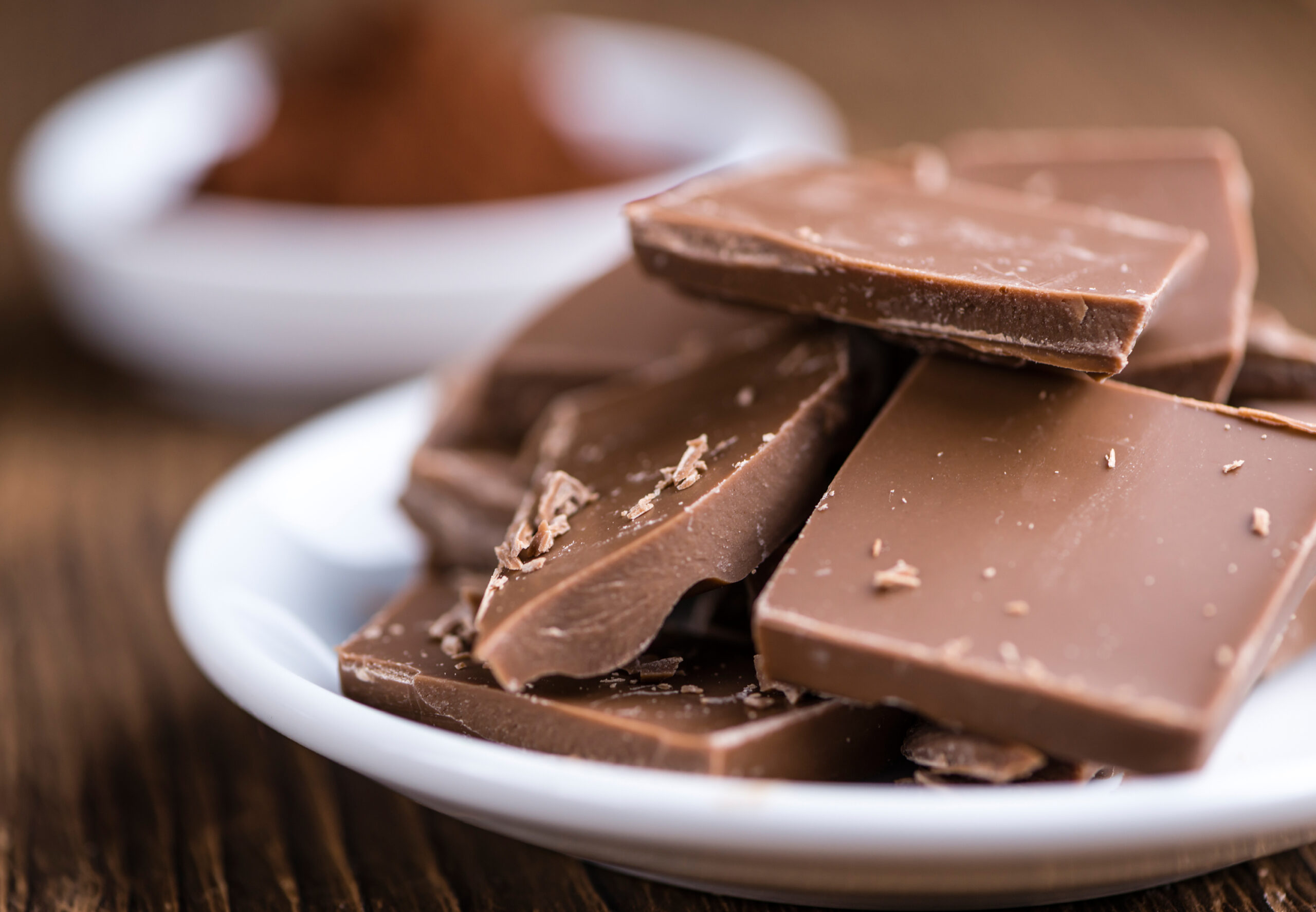
The Ultimate Guide to Milk Chocolate
The Gourmet Art of the In‑Between
Sitting perfectly between the intensity of dark chocolate and the creamy sweetness of white chocolate, milk chocolate holds a unique place in the world of cocoa. A truly indulgent middle ground, it’s neither as bold as dark chocolate nor as sugary as white chocolate — instead, it delivers that irresistible “sweet spot” that has comforted and captivated chocolate lovers for more than a century.
Behind its familiar sweetness lies a surprising story shaped by innovation, bold ideas… and even a touch of romance. Naturally associated with smoothness and comfort, milk chocolate charms with both its velvety texture and its rich heritage.
What makes milk chocolate so special? Where does it come from? And how can you enjoy it at its best? This complete guide explores everything you need to know about milk chocolate — its origins, composition, flavour profile, and the best ways to savour it.
How Switzerland Invented Milk Chocolate: A Story That Changed Chocolate History
The history of milk chocolate begins in 1875 in Vevey, Switzerland — a pivotal moment that would forever change the world of chocolate. Young Swiss chocolatier Daniel Peter, hoping to impress a woman he loved, set out to soften the bitterness of dark chocolate and create something truly new. His breakthrough came when he blended chocolate with powdered milk, a recent innovation developed by his neighbour and friend Henri Nestlé.
The result was revolutionary: a smoother, creamier, more accessible chocolate that quickly captivated consumers… exactly the effect he hoped to achieve. But his creation won more than the young woman’s heart — it permanently reshaped the history of chocolate and established Switzerland as a world leader in premium chocolate craftsmanship.
Milk Chocolate Composition: What Sets It Apart
Milk chocolate follows a precise composition that gives it its round flavour, signature sweetness, and creamy texture.
Cocoa Content
- Typically contains 25% to 40% cocoa and cocoa butter.
- Premium milk chocolates can reach up to 65% cocoa, achieving the depth sought by master chocolatiers.
- Note: In the United States, only 10% cocoa is required for a chocolate to be labelled “milk chocolate.”
Powdered Milk: The Key to Its Sweetness
- Milk is almost always used in powdered form, since liquid milk spoiled quickly and made chocolate turn rancid.
- Dairy ingredients must represent at least 14% of the recipe.
Fats
- Around 20% fat, mainly from cocoa butter.
- Other vegetable fats may be added, but they must not exceed 5% and must be clearly listed on the label.
Sugar and Flavourings
- Milk chocolate is naturally sweeter than dark chocolate.
- It can include a wide range of additions — vanilla, nuts, dried fruits, caramel pieces, puffed cereals, and more — up to 40% of the final product.
Milk Chocolate vs. Dark Chocolate: Nutritional Comparison
Dark chocolate stands out for its high cocoa content, which provides a greater concentration of flavonoids — antioxidants linked to potential cardiovascular benefits. It also contains less sugar, making it a better option for those looking to reduce their sugar intake.
Milk chocolate, on the other hand, contains more milk and sugar, which naturally increases its calorie content and lowers the proportion of cocoa. It still offers certain advantages — notably calcium and a smaller amount of flavonoids — but its higher levels of fat and sugar limit its overall nutritional benefits.
In short, dark chocolate is generally the more nutritious choice, while milk chocolate remains a delicious indulgence best enjoyed in moderation — ideally by choosing versions with a higher cocoa content for a more balanced option.
In short, dark chocolate is generally the more nutritious choice, while milk chocolate remains a delicious indulgence best enjoyed in moderation — ideally by choosing versions with a higher cocoa content for a more balanced option.
Best Milk Chocolate Pairings
Best Fruits and Flavours to Pair with Milk Chocolate
Milk chocolate shines when paired with sweet‑tart contrasts and crunchy textures. Some of the most successful flavour combinations include:
- Raspberry, for its bright acidity and vibrant aroma
- Blackcurrant, ideal for a deeper, more intense fruity contrast
- Hazelnuts (yes, the Nutella spirit is never far)
- Almonds, bringing a warm, toasted sweetness
- Coconut, which enhances milk chocolate’s creamy profile
Why Cappuccino Pairs Perfectly with Milk Chocolate
With its silky milk foam and softened coffee notes, a cappuccino forms an irresistible duo with milk chocolate. The drink’s creamy texture blends seamlessly with the chocolate’s sweetness, creating a warm, enveloping harmony.
*Pro tip: Avoid adding sugar to your coffee when enjoying it with milk chocolate — it can throw off the balance and make the pairing feel heavy.
Best Wine Pairings for Milk Chocolate
- Tawny Port: These ports, with their notes of dried fruits, coffee, and cocoa, create a classic pairing that’s warm, velvety, and perfectly suited to milk chocolate.
- Pinot Noir: With its red‑fruit aromas, gentle tannins, and natural freshness, Pinot Noir pairs beautifully with the sweetness of milk chocolate. A subtle, elegant, and surprisingly harmonious match.
Milk Chocolate: The Pleasure of the “Sweet Spot”
Milk chocolate — with its romantic history, velvety sweetness, and endless pairing possibilities — remains a must‑have for anyone who loves to savour the moment. Not too intense and not too sweet, it hits that perfect sweet spot that has comforted and delighted chocolate lovers for generations. Now the only question is which new flavour pairing it will inspire during your next tasting… perhaps even the unexpected duo that makes you say, “Wow, I didn’t see that coming!”