
Lactose-Free Cheese, an Essential Guide to Choosing Well
You love cheese, but your lactose-intolerant tummy makes you pay for it. Standing at the cheese counter, the same question comes up every time: which lactose-free cheese will go down without trouble?
Lactose-free cheese answers that question better than most people expect. Several cheeses you already eat contain barely measurable traces of lactose, and products treated with lactase give you access to the rest without the sugar that causes the problem.
This guide covers the whole picture. You will find out what the lactose-free claim actually means on a Canadian label, which cheeses are naturally low in lactose, how to read an ingredient list properly, and how to put fondue back on the table without a second thought.
Table of Contents
- What a Lactose-Free Cheese Actually Is
- What the Lactose-Free Claim Means on a Canadian Label
- Cheeses That Are Naturally Low in Lactose
- Lactose-Free Does Not Mean Dairy-Free
- How to Choose a Lactose-Free Cheese at the Grocery Store
- Lactose-Free Cheese Fondue Without Giving Anything Up
- Enjoy Lactose-Free Cheese Without Sacrificing Flavour
- FAQ
What a Lactose-Free Cheese Actually Is
Lactose is the sugar naturally found in milk. To digest it, the small intestine produces an enzyme called lactase, which breaks lactose down into glucose and galactose so they can be absorbed.
When lactase production drops, some of the lactose goes undigested and reaches the colon. Gut bacteria ferment it there, producing gas and drawing water into the intestine. That can cause symptoms such as bloating, abdominal cramps, gas and sometimes diarrhea.
Note that lower lactase production does not always cause symptoms. Many people who produce little lactase can still tolerate small amounts of lactose.
Two families of cheese get around this problem.
The first covers cheeses made from milk to which lactase was added before processing. The enzyme breaks lactose down into glucose and galactose, two sugars the body absorbs easily. The taste and texture of the cheese stay very close to the traditional version.
The second family, older and far larger, covers aged cheeses. During production, lactic bacteria consume a large share of the lactose, while another share leaves with the whey during draining. Ripening then reduces whatever traces remain. That is why several aged cheeses, such as aged cheddar, parmesan or Swiss, naturally contain very little lactose, sometimes in undetectable amounts.
What the Lactose-Free Claim Means on a Canadian Label
Canadian regulation governs the claims that appear on food products. According to the Canadian Digestive Health Foundation, a product containing less than 0.1 g of lactose per 100 g can be considered lactose-free. That figure is widely used across the industry and by reference organizations.
For the vast majority of people with lactose intolerance, an amount that small generally causes no symptoms. The Canadian Food Inspection Agency requires, for its part, that claims appearing on a label be truthful and not misleading.
You will also come across the claim reduced in lactose. It refers to products whose lactose content has been significantly reduced compared with the regular version. These can suit people who still tolerate a certain amount of lactose without symptoms, though tolerance varies from one person to the next.
One practical detail: lactose rarely appears as a separate line in the Nutrition Facts table. To find out whether a product contains any, you have to read the ingredient list instead. The word lactase generally indicates that the product has been treated to break the lactose down. Conversely, ingredients such as milk, milk solids and whey can signal the presence of lactose.
Worth noting as well, some ingredients only look like lactose. Lactic acid, lactate, lactitol and lactic acid bacteria contain none of it, even though the names suggest otherwise. That distinction spares you from ruling out perfectly suitable products on the shelf.
Cheeses That Are Naturally Low in Lactose
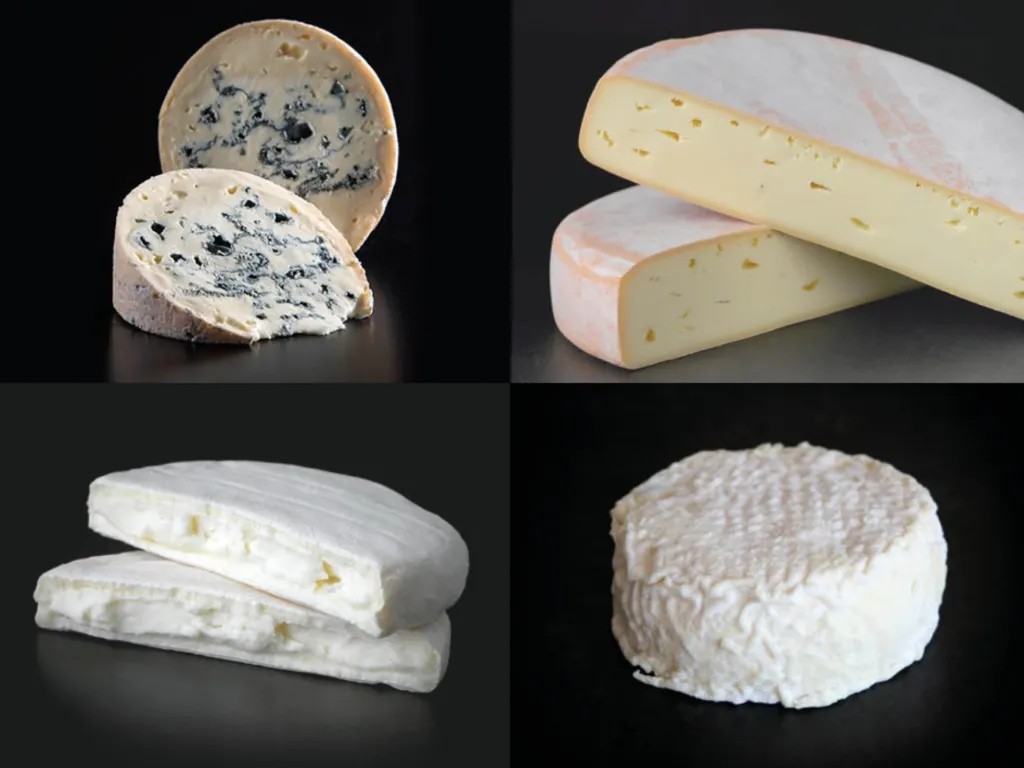
The numbers speak for themselves. Figures from Health Canada’s Canadian Nutrient File, as reported by Dairy Nutrition, show the considerable gap between a glass of milk and a serving of aged cheese.
| Dairy product | Serving | Lactose content |
|---|---|---|
| Parmesan | 50 g | 0.00 g |
| Swiss (Emmental) | 50 g | 0.03 g |
| Mozzarella | 50 g | 0.04 g |
| Cheddar | 50 g | 0.09 g |
| Plain yogurt | 175 ml | 4.56 g |
| Whole milk | 250 ml | 13.01 g |
A glass of milk delivers roughly 13 g of lactose. A generous serving of cheddar delivers 0.09 g, about 140 times less. Good news : according to the same source, most people with lactose intolerance tolerate up to 12 g of lactose at a time, particularly when it comes with a meal. That is roughly the amount in one cup of milk.
Why Aging Changes Everything
During production and the early stages of ripening, lactic bacteria turn residual lactose into lactic acid. The process contributes to the cheese’s aroma, texture and character. It also sharply reduces, and often eliminates, the lactose left in the paste.
That is why a Quebec cheddar aged 12 months generally contains less lactose than a mild cheddar aged two months, and is often better tolerated by people sensitive to lactose. The same principle applies to gruyère, aged gouda, tomme and many firm cheeses from Quebec dairies. A generous Quebec cheese board is therefore often more accessible to people with lactose intolerance than one might think.
Cheeses Worth Watching
Fresh cheeses and unripened soft cheeses hold on to more lactose, because fermentation has not had time to do its work. Ricotta, cottage cheese, cream cheese and feta all belong in this group. Nothing forces you to cut them out. Watch the portion and note your reaction, since your comfort threshold reveals itself through trial rather than through a general rule.
Processed cheese products and spreads deserve a look too. They can be made with dairy ingredients such as whey or milk solids. Those additions can raise lactose content above that of the aged cheese used as the base ingredient. It is therefore worth checking the label, especially if you are lactose intolerant.
Lactose-Free Does Not Mean Dairy-Free
This confusion is worth clearing up, because the consequences are real.
A lactose-free cheese is still a dairy product. It continues to contain milk proteins, notably casein and whey proteins. It also keeps its calcium, its protein and most of its vitamins.
Lactose intolerance is a digestive condition caused by difficulty digesting lactose. It can be uncomfortable, sometimes severely so, but it is not life-threatening. A milk protein allergy, by contrast, is an immune system reaction that can cause serious symptoms, up to and including anaphylaxis. Food Allergy Canada stresses this distinction clearly.
The practical takeaway is simple: lactose-free products generally suit people with lactose intolerance. They are not suitable, however, for people allergic to milk proteins, who need to avoid dairy products and turn to genuinely milk-free options. If you are unsure about your own situation, see a health professional for a proper diagnosis.
How to Choose a Lactose-Free Cheese at the Grocery Store
A few habits are enough to avoid unpleasant surprises during your grocery run.
- Favour firm-paste cheeses and extended aging. Parmesan, aged cheddar, gruyère and aged gouda are among the lowest-lactose options.
- Read the ingredient list. The word lactase generally indicates the product has been treated to break the lactose down.
- Check the claims on the packaging. Lactose-free and reduced in lactose do not mean the same thing.
- Look closely at processed cheeses and spreads. Some contain added whey or milk solids.
- Test your tolerance gradually. Everyone reacts differently to lactose.
- Think about prepared dishes too. Store-bought fondues, sauces and gratins sometimes carry a claim about their lactose content or lactose-free status.
You can browse the fondues available to see which ones carry that claim.
Lactose-Free Cheese Fondue Without Giving Anything Up
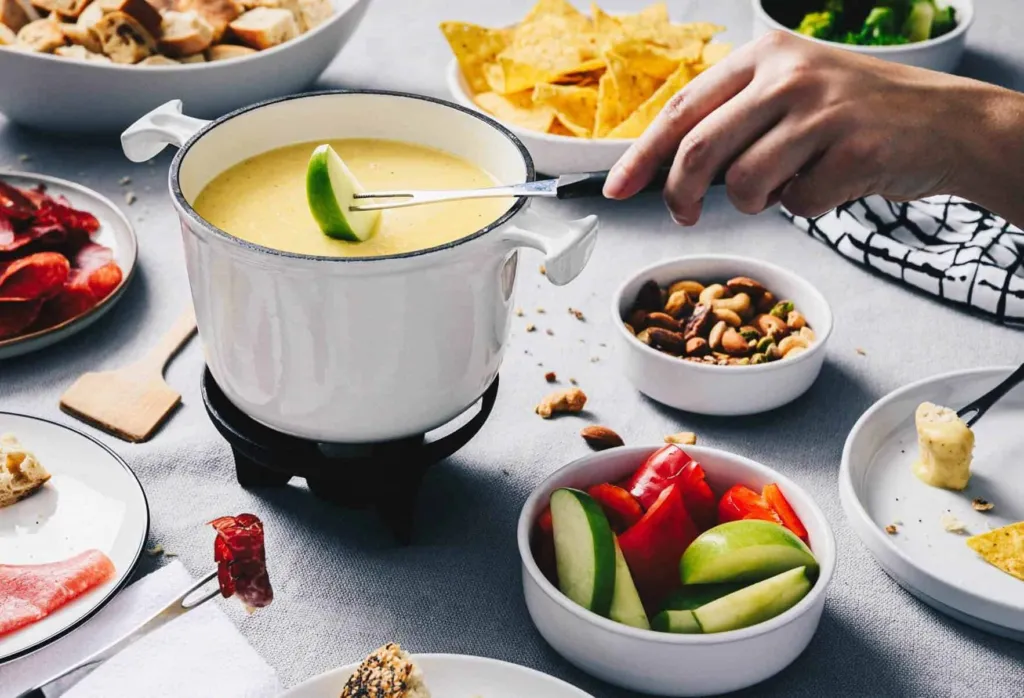
Fondue is one of the few meals where everyone eats the same thing. Lactose intolerance usually breaks that shared pleasure. It does not have to.
Every product in the 1001 Fondues Chic! range carries the lactose-free claim on the packaging. Chic! au vin, Chic! à la bière, Chic! au cidre or Chic! fumée, there is plenty to choose from. They are made with local cheeses, keep in the refrigerator and cook straight in the pot.
The 125 g snack format heats in the microwave in a few minutes, and makes for a perfect weeknight dinner for one or a lunch to pack for the next day. The 350 g format feeds two people as a meal or serves four to six as a starter.
That detail changes the dynamic of a group meal. Instead of preparing a separate dish for the person with the intolerance, you serve the same fondue to everyone and nobody has to settle for a scaled-down version.
For dippers, stick with firm fruit and crisp vegetables. Green apple, pear, blanched broccoli, pepper strips and baby potatoes all work well. If you already cook for guests with dietary restrictions, our guide to gluten-free meals pairs nicely with this one.
Enjoy Lactose-Free Cheese Without Sacrificing Flavour
Lactose was never what made a cheese good. The milk, the cheesemaker’s craft and the aging time do that work, and a good lactose-free cheese loses none of the three.
Here is what to keep in mind. Long-aged firm cheeses contain only traces. Lactase-treated products handle the rest. The lactose-free claim is regulated and dependable in Canada. And a milk allergy remains an entirely different matter, calling for different precautions.
All that is left is filling the pot. Discover the fondues available online and look for the ones carrying the lactose-free claim.
FAQ
Which Lactose-Free Cheese Contains the Least Lactose?
Long-aged firm cheeses are among the best naturally low-lactose options, and parmesan is the clearest example of a lactose-free cheese by nature. Aged cheddar, gruyère, Swiss and aged gouda generally hold no more than traces. At the other end of the scale, fresh cheeses such as ricotta, cottage cheese and cream cheese retain more lactose and are sometimes less well tolerated by sensitive people.
Is Lactose-Free Cheese Safe for People With a Milk Allergy?
No. A lactose-free cheese is still a dairy product and continues to contain milk proteins, notably casein. A milk allergy targets those very proteins and can trigger a serious reaction, up to and including anaphylaxis. People with a milk allergy therefore need to choose products that are genuinely dairy-free. Lactose-free products, for their part, are meant for people whose intolerance is digestive rather than immune.
Can You Eat Cheese Fondue With Lactose Intolerance?
Yes, in most cases. Fondues made from aged cheeses such as gruyère, emmental or certain cheddars contain very little lactose, since most of it disappears during production and ripening. Several store-bought fondues also carry the lactose-free claim on the packaging, so always check the label. If your tolerance is low, start with a small portion alongside bread or vegetables, as part of a full meal.