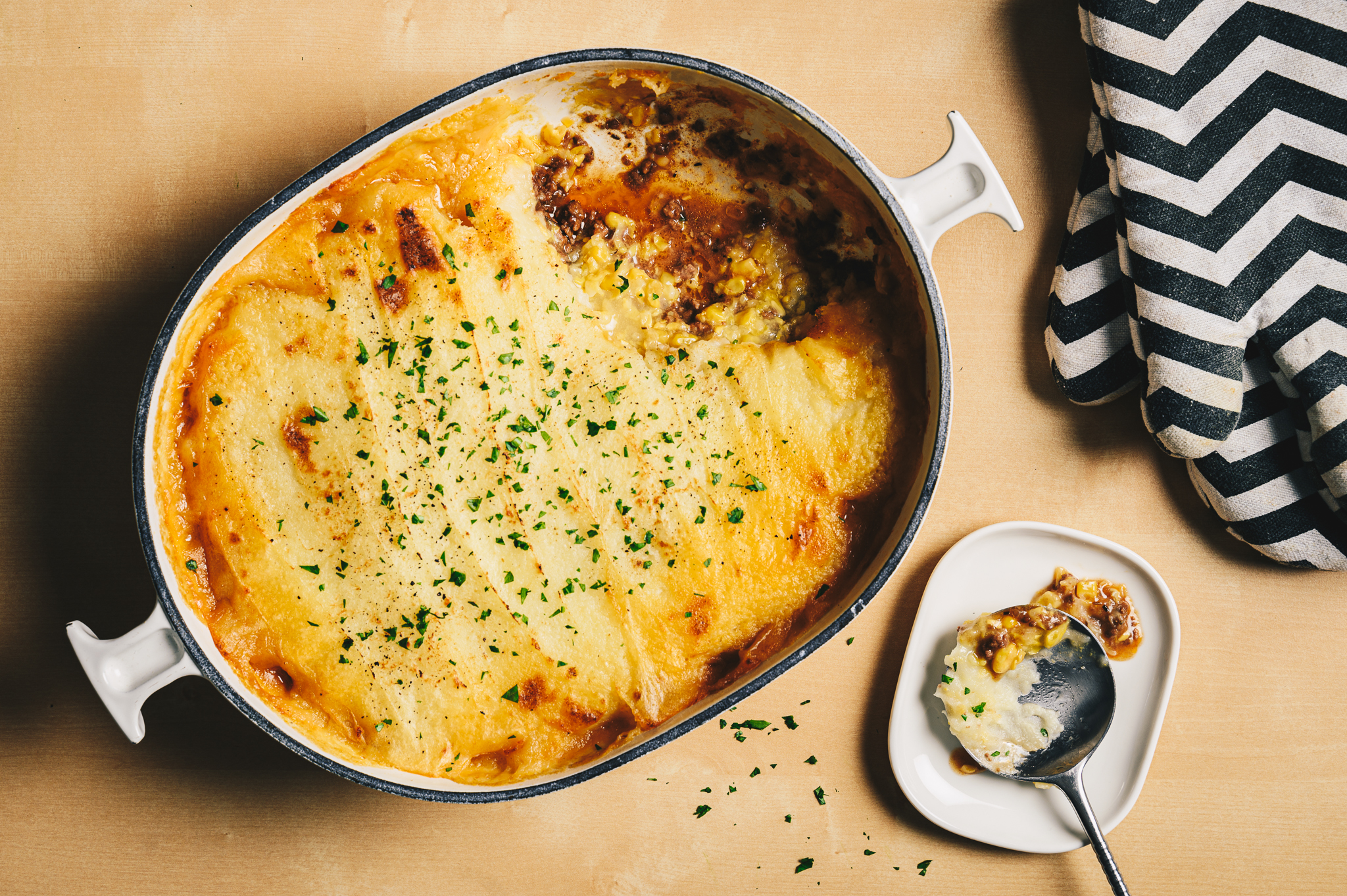
Corn: A Staple Across Generations
“A light wind swept over the corn, and all nature laughed in the sunshine.” — Anne Brontë
If corn were a celebrity, it would surely have its own star on Hollywood Boulevard! Cultivated for millennia, this harvest gem pops up everywhere—from summer BBQs and Mexican feasts to Quebec’s beloved épluchettes de blé d’Inde (corn roast). But how well do you really know this cultural icon? Did you know that every ear of corn always has an even number of rows? Or that without it, your movie nights would be missing popcorn? Hold on tight—we’re diving into the fascinating world of corn!
A Bit of History
Corn has been part of human life for over 9,000 years! Native to Mexico, it was central to Indigenous civilizations, who viewed it as a sacred food. The Mayans, Aztecs, and Incas revered corn for its power to nourish communities and symbolize abundance. Christopher Columbus introduced it to Europe in the late 15th century, and by 1534, Jacques Cartier was already describing the sprawling cornfields around Hochelaga (now Montreal). Today, as the world’s most cultivated cereal, corn has gone global—taking on countless forms, from crunchy tacos to buttery popcorn!
A Grain With Many Names
The word maize, also known as “corn” in North American English, comes from the Spanish maíz, borrowed from the Taíno people of Haiti. In Europe, it was long referred to as “Indian corn,” “Turkish wheat” or “Turkish corn,” reflecting some confusion about its origins. In Louisiana, it’s called mahi, while in Quebec it’s famously known as blé d’Inde, especially during festive corn roasts!
A Grain with Many Faces
Corn comes in many varieties, each with its own character:
- Sweet corn: The star of corn boils—best enjoyed on the cob
- Popcorn: Pops with heat—pure fun!
- Flour corn: Essential for tortillas and polenta
- Dent corn: Mainly used for animal feed
- Flint corn: Colourful and decorative—harvest with flair
Nutritional Highlights — A Small Grain, Big Benefits
- Fibre and Carbohydrates: Great for energy and gentle on digestion
- Vitamins and Minerals: A good source of B vitamins, magnesium, and antioxidants
- Vegetable or Cereal? Both! Fresh, it’s a vegetable; dried, it’s a grain
Corn in the Kitchen — The Shape-Shifter Ingredient
- Essential cooking methods: Grilled on the BBQ, boiled, or roasted—each brings out new flavours
- Delicious transformations: Cornmeal, polenta, tortillas, nachos … corn adapts beautifully in the kitchen
Corn and Quebec’s Festive Traditions
Corn is more than food—it’s a tradition, a moment of sharing and indulgence.
- Corn boils, also called “corn roasts” (épluchettes de blé d’Inde): A must at summer’s end! Families and friends gather to shuck, cook, and enjoy hot corn, drowned in butter and sprinkled with salt
- Corn festivals: From Saint-Damase to Neuville to Kahnawà:ke, communities celebrate corn with tastings, music, and contests
- Fall harvests: Markets and farms burst with freshly picked corn—perfect for extending the tradition at home
Corn in Art and Music
- In painting: Mexican artist Diego Rivera immortalized corn, celebrating Indigenous culture
- On screen: Corn plays a symbolic role in the 1989 film Field of Dreams
- In music: Bluegrass and country pay tribute to rural life, where corn often takes centre stage
Corn at the Heart of Global Traditions
A symbol of abundance, togetherness, and joy, corn has stood the test of time and culture. From the field to the table, it inspires festive traditions and delicious creations. Whether it’s served hot on the cob, popped into crunchy snacks, or featured in tasty recipes, corn never fails to delight. So next time you bite into an ear of corn, remember its rich history—and savour each bite as a tribute to this legendary grain!