
Dill Made Easy: Practical Tips for Everyday Cooking
“...if you want to add a little spice to your life, plant some dill. And learn to salsa.” — Ellen DeGeneres
A Versatile Herb with Endless Possibilities
There’s never such a thing as too many aromatic plants, whether in the garden or on the balcony. Easy to grow and incredibly resilient, these herbs find a place everywhere. Among them, dill stands out with its light silhouette and unique fragrance. Elegant, refreshing, with a delicate citrus and aniseed note, it evokes summer dishes, Nordic cuisine, and sun-soaked picnics. Too often overlooked, dill deserves to be rediscovered in all its glory. This guide invites you to explore this herb with character in every possible way: its culinary uses, health benefits, origins, and simple tips for creatively incorporating it into your everyday recipes.
What is Dill?
Dill (Anethum graveolens) is an annual herb from the Apiaceae family, the same family as parsley, coriander, and fennel. It’s sometimes mistaken for anise or fennel, and for good reason — all three contain anethole, the compound responsible for their signature anise-like flavour. Dill is easily recognized by its delicate green foliage and elegant yellow umbels. In the kitchen, its fresh, citrusy leaves are most prized, while its more intense seeds are used to flavour marinades, preserves, and pickles.
Dill Profile
- Common name: Dill
- Latin name: Anethum graveolens
- Botanical family: Apiaceae
- Origin: Likely Eastern Asia
- Lifecycle: Annual
- Width: 15-30 cm
- Height: 60-110 cm
The Origins of Its Name
The word “dill” comes from the ancient Greek ánēthon, which derives from an Indo-European root meaning “to grow vigorously.” The Latin name anethum became the French version, while in English, the herb is called “dill.”
Dill Through the Ages
Native to the Eastern Mediterranean or Central Asia, dill has been cherished since antiquity for both its medicinal properties and its aromatic qualities. The Egyptians used it in their potions, while the Greeks and Romans prized it for its fragrance and digestive benefits. In the Middle Ages, dill was even believed to protect against evil spirits. Today, dill is a key ingredient in the famous dill pickles of North American culinary tradition and remains a staple in Nordic, Germanic, and Eastern European cuisines.
Preparation, Cooking, and Pairings
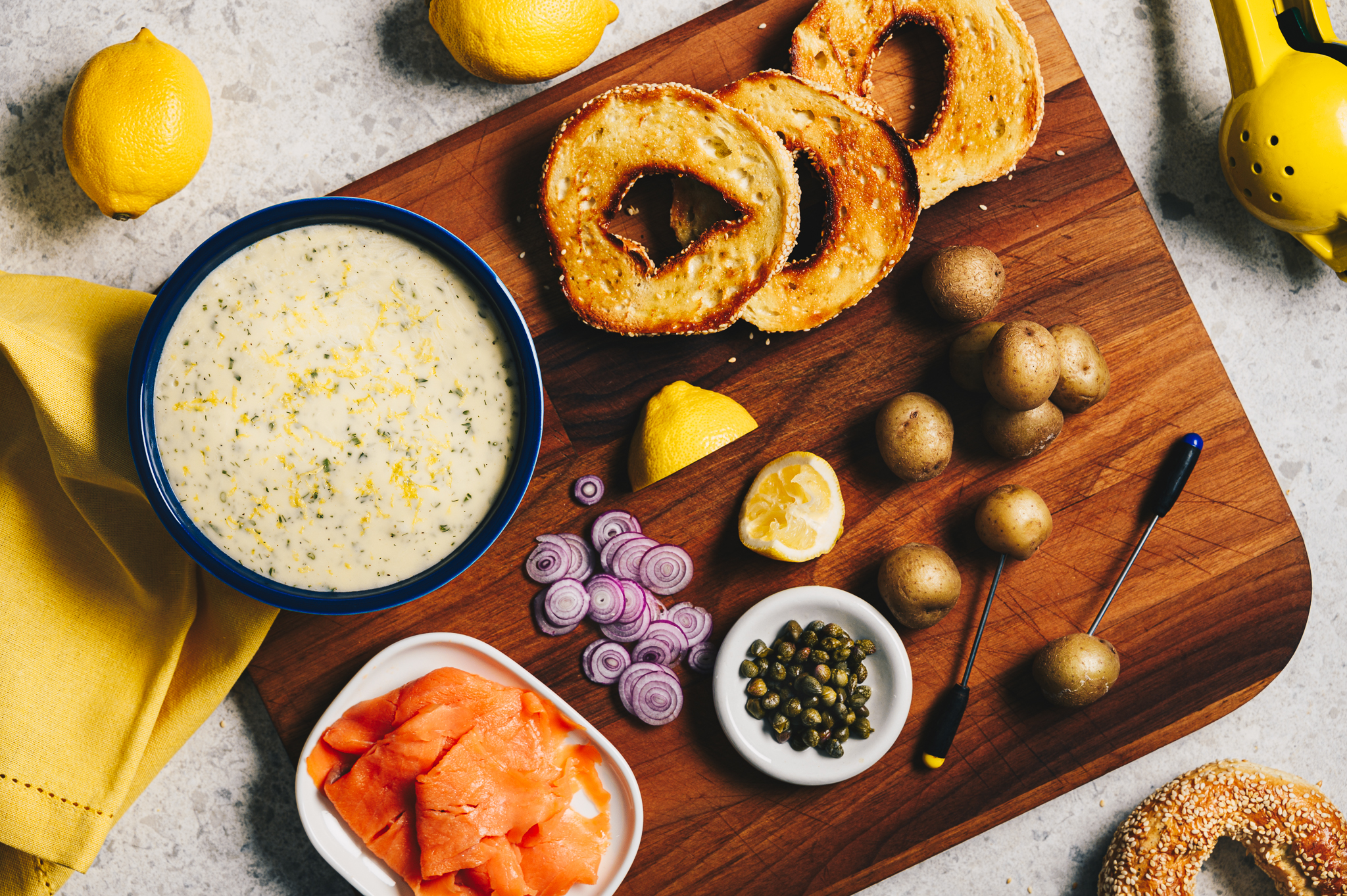
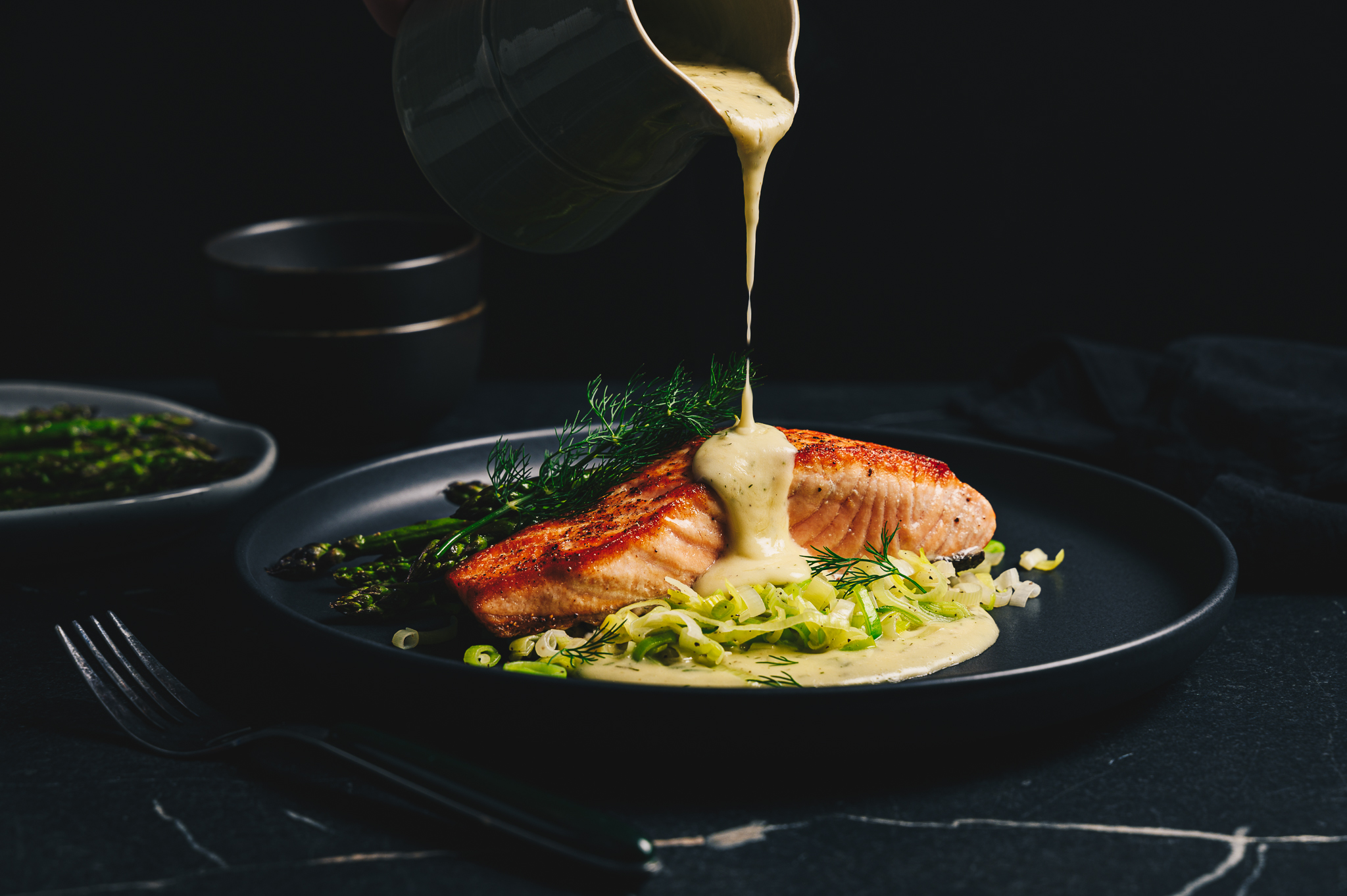
Dill is best used fresh or added at the end of cooking, as heat diminishes its distinctive flavour. It enhances fish, potatoes, cucumbers, eggs, sauces, and dairy dishes. Its seeds lend depth to breads, marinades, vinegars, and sauerkraut. To preserve dill, finely chop it and freeze it in a bit of oil or water, storing it in ice cube trays for easy use later.
A Plant with 1001 Benefits
More than just an aromatic herb, dill is packed with health benefits:
- Rich in sodium and potassium, it acts as a natural diuretic, helping eliminate toxins.
- An antispasmodic, it soothes hiccups and nausea.
- A stimulant and carminative, it promotes digestion and reduces bloating.
Did You Know?
- Dill seeds are commonly used in herbal medicine to relieve colic in babies.
- In Scandinavia, dill is an iconic herb, symbolizing summer meals and large family gatherings.
- In Russia, it’s almost impossible to find a traditional dish without a sprig of dill!
- Dill essential oil is prized for its calming and sedative properties, which is why it’s called “dilla” in Norwegian, meaning “to rock” (as in to soothe to sleep).
Dill in Popular Culture
In many cultures, dill is a symbol of purity, luck, and healing. In the kitchen, it represents the freshness of summer. In Nordic countries, dill is a vital ingredient in gravlax, the marinated salmon served at festive gatherings or gourmet brunches. It’s also a key player in the tradition of “dill pickles,” those beloved North American pickles that pair perfectly with summer BBQs and hearty sandwiches.
Rediscovering Dill, One Leaf at a Time
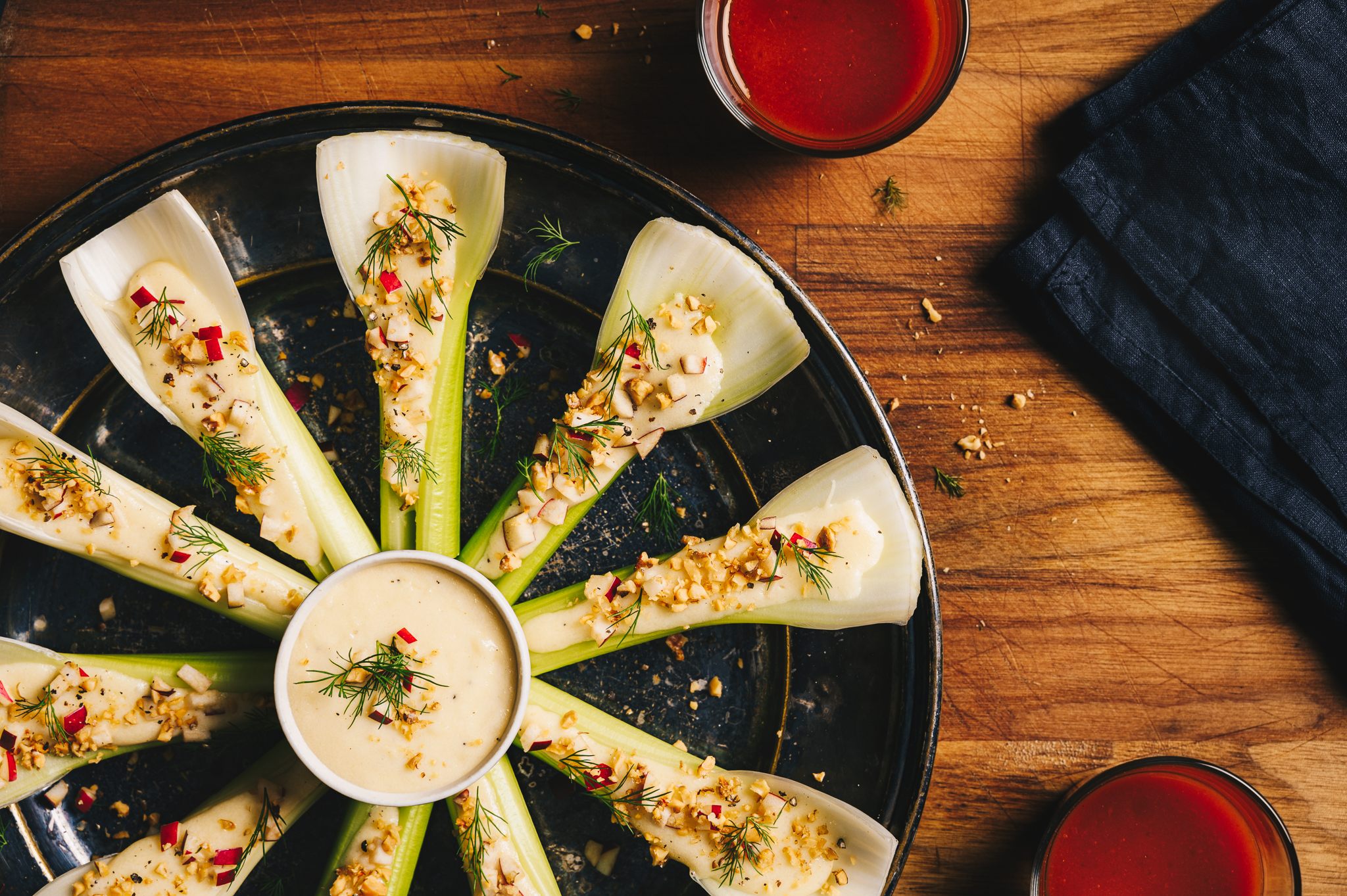
Aromatic, medicinal, and delicately airy, dill turns even the simplest dishes into fragrant, flavourful creations. Whether you love salmon, cucumbers, or even cheese fondue (yes, really!), dill will surprise and delight you. In short, it’s an herb worth embracing — especially if you love adding a touch of freshness to your everyday life!