
Fondue: How to Choose the Right Equipment for Perfect Results
Table of Contents
- Your Roadmap to the Perfect Fondue Night
- Choosing the Right Pot: The Foundation of a Great Fondue
- Can You Make Fondue in a Regular Pot?
- How to Keep Fondue From Sticking
- How to Clean a Fondue Pot or Saucepan
- Fondue: How Does it Actually Work?
Your Roadmap to the Perfect Fondue Night
Hosting a fondue night means creating a warm, cozy, delicious moment to share. But for the experience to be truly successful — no burnt cheese, no impossible‑to‑clean pot, no stress — you need the right equipment. Whether you’re the traditional type, the resourceful type, the efficient type or the “I need this ready now” type, here’s your complete guide to what you need for fondue, how to prevent sticking, and how to clean everything with ease.
Choosing the Right Pot: The Foundation of a Great Fondue
For a “classic forever” fondue: the enameled cast‑iron pot
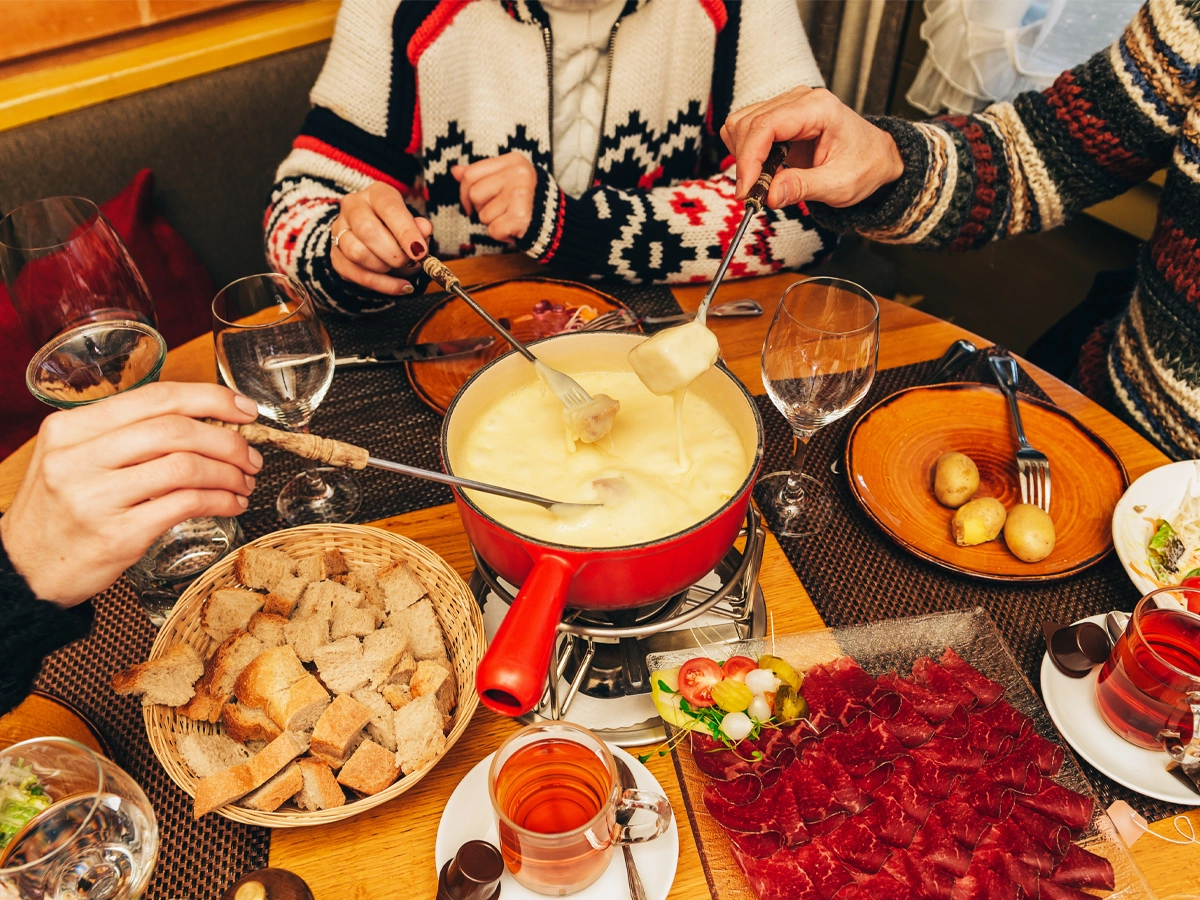
If you dream of a fondue that stays warm for a long time, doesn’t burn, and forms that perfect golden crust at the bottom (the beloved religieuse), an enameled cast‑iron fondue pot is your best friend.
Why it’s great:
- even heat distribution
- excellent heat retention
- gentle, stable cooking
- a beautifully golden crust at the bottom — irresistible
It’s the ideal choice for purists and lovers of traditional cheese fondue.
For a “make‑do” fondue: the camping pot
No fondue pot on hand? No problem. A simple camping pot can absolutely do the job — especially outdoors or when improvising.
The secret: keep the heat low. Cheese burns easily if the heat is too strong or uneven. A thicker pot works best, but even a basic one will do if you watch the heat carefully.
For an “efficient” fondue: the electric fondue pot
An electric fondue pot offers steady heat, no flame to manage, and a worry‑free evening. You can adjust the temperature precisely, reducing the risk of burning cheese or chocolate. It’s also perfect for larger groups.
For a “practical” fondue: the 1001 Fondues snack format
For quick meals, last‑minute lunches or small portions, snack‑size fondues that heat up in the microwave are unbeatable. The 1001 Fondues snack format (125 g / 4 oz) melts in seconds and requires no equipment at all.
Can You Make Fondue in a Regular Pot?
Yes…but not just any way. To make fondue successfully, you’ll need a fondue pot (cast iron, ceramic or electric), a regular pot or saucepan, a burner or heating base, a fuel burner, fondue forks or skewers, a heat‑resistant trivet, and of course — you guessed it — a ready‑to‑cook
Cheese fondue or chocolate fondue
Avoid heating them directly in a metal pot: cheese and chocolate burn very quickly.
The right method: gently warm the fondue in a saucepan, then transfer it to a ceramic or enameled cast‑iron fondue pot. The result: a smooth, silky texture that won’t stick.
Chinese fondue (hot pot) or bourguignonne
Here, a regular pot works perfectly — cast iron, stainless steel or a thick camping pot. Heat the broth or oil on the stovetop, then transfer it to a fondue pot designed for use with a burner.
How to Keep Fondue From Sticking
The golden rules:
- gentle heat (cheese hates high temperatures)
- a thick pot (cast iron or ceramic) for stable heat
- stir regularly, especially at the beginning
- avoid thermal shock
- keep the flame moderate (too hot means burnt bottom, guaranteed!)
How to Clean a Fondue Pot or Saucepan
Simple and effective method
- 1. Fill the pot with hot, soapy water.
- 2. Let it soak for 20–30 minutes.
- 3. Loosen gently with a wooden spatula.
For a stubborn religieuse
- 1. Add a bit of baking soda to the hot water.
- 2. Let it sit.
- 3. Rinse — everything comes off effortlessly.
Fondue: How Does it Actually Work?
Fondue isn’t complicated: heat it gently, keep the temperature steady, and enjoy at your own pace. With the right equipment, everything becomes simple, practical, and wonderfully convivial.