
The Power of Spinach
“The world would be a better place for children if it were the parents who had to eat the spinach.” — Groucho Marx
A Superfood with Surprising Powers!
Long dismissed as the villain of childhood dinners, spinach still carries the reputation of a bland cafeteria purée. But this humble leafy green has come a long way. Popularized by Popeye, who credited it with giving him superhuman strength, spinach gained a legendary reputation as an iron booster. Though that claim was slightly inflated, spinach remains a valuable source—and an enduring symbol of strength.
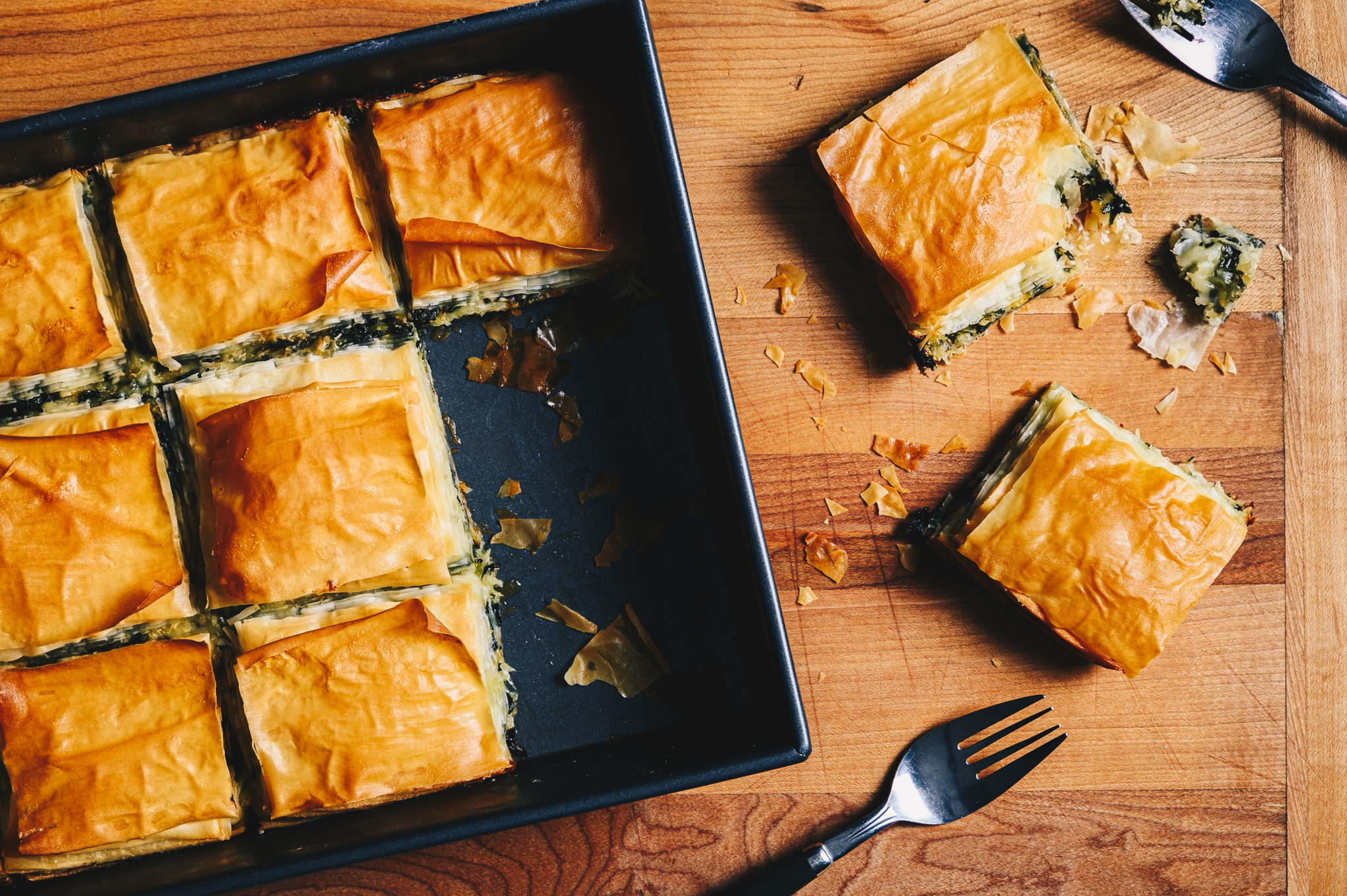
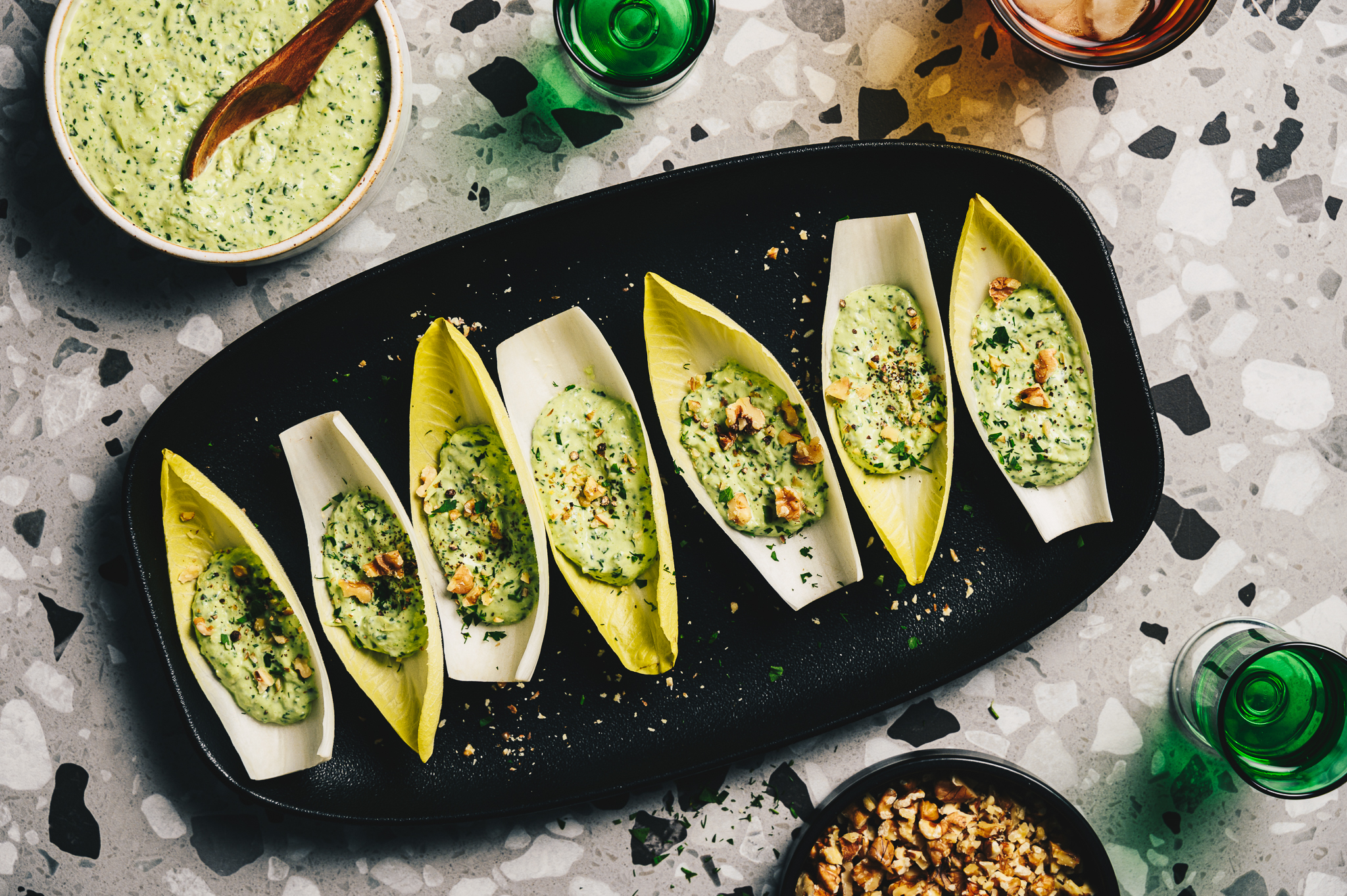
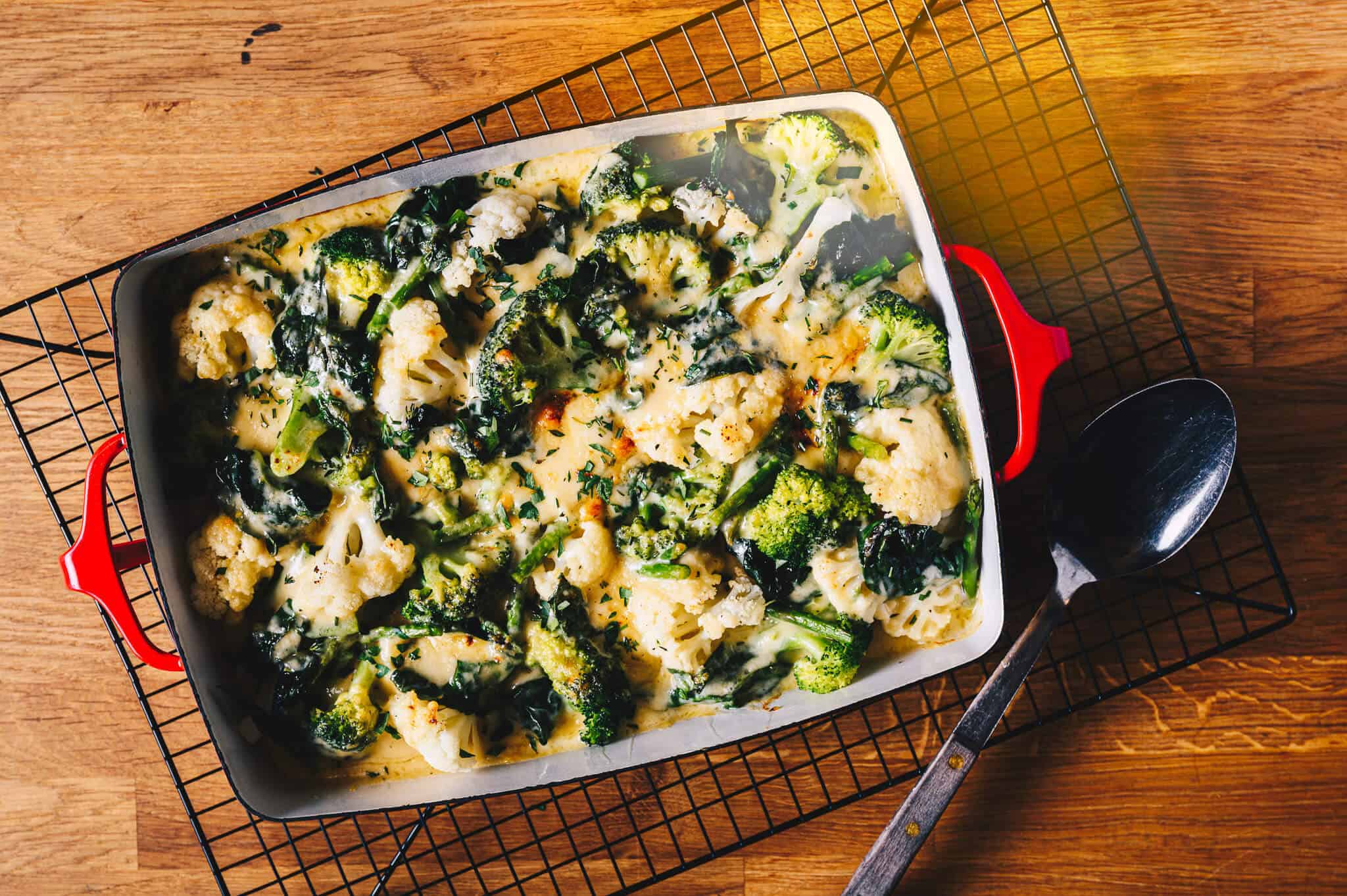
But boring? Not anymore. Spinach has reinvented itself in all kinds of delicious and varied recipes: raw in salads, creamy in quiches, tucked into stir-fries, dips, gratins, and turnovers. It’s winning over even the most skeptical palates. Riding the wave of plant-based eating and health-conscious cooking, spinach is boldly reclaiming space on our plates. Bursting with freshness and vitality, it represents a cuisine that’s simple, wholesome, and full of flavour—a cuisine that nourishes every sense.
What Exactly Is Spinach?
Spinach—Spinacia oleracea—is a leafy green grown for centuries for its tender, nutrient-rich leaves. Thriving in cooler climates, it’s equally delicious raw or cooked. Its clean, grassy flavour—mildly sweet with earthy notes—makes it a kitchen chameleon, blending easily into all sorts of dishes. Thanks to its delicate aroma and subtle taste, spinach complements other ingredients without ever stealing the spotlight—making it a go-to for salads, smoothies, and so much more. In short, it’s a small green with massive culinary range.
Spinach Snapshot
- Category: Leafy vegetable
- Botanical family: Chenopodiaceae or Amaranthaceae (depending on classification)
- Origin: Persia (modern-day Iran)
- Seasonal availability: May to October
- Height: 20–30 cm
- Colour: Bright to dark green
- Flavour: Mild, grassy, slightly bitter
Where Does the Name Come From?
The word spinach comes from the Arabic isbinākh, itself derived from the Persian aspanākh. Introduced to Europe in the Middle Ages by the Arab communities of Spain, the term espinarde first appeared in French in 1256. Since then, the word has taken root in our language—just like the plant in our gardens!
Spinach Through the Ages
First cultivated in Persia over 2,000 years ago, spinach reached Spain in the 9th century and has spread across Europe by the 12th. Its fast growth and medicinal virtues made it a staple in medieval monastic gardens. During the Renaissance, Catherine de Medici—a true fan—helped popularize spinach at the French court. And in the 19th century? A misplaced comma led to a major miscalculation of its iron content, unintentionally turning spinach into a superhero food. All it needed was Popeye to cement the myth—and the marketing—forever.
Prep, Cook & Pair
Preparing spinach:
- Rinse thoroughly in cold water to remove sand and debris.
- Change the water several times until it runs clear.
- Drain well and refrigerate if not using immediately.
Cooking spinach:
- Cook gently over low to medium heat to preserve flavour and texture.
- Avoid overcooking—it can lose both taste and colour.
Delicious pairings:
- Butter, cream, yogurt, eggs, cheese, olive oil, soy and tamari sauces
- Cured meats (bacon, prosciutto) and salted fish (anchovies).
Flavour boosters:
- Add a touch of nutmeg or mace, fresh garlic, black pepper … or a splash of lemon juice.
Did You Know?
- Not as iron-rich as legend suggests: Spinach contains iron, but no more than many other veggies.
- Vitamins A, C, K, and folate: A nutrient boost for your bones, vision, and immune system.
- Antioxidants: Lutein and zeaxanthin help protect your eyes.
- Low in calories: A mountain of leaves for a handful of calories.
- Good for digestion: Packed with gentle, digestible fiber.
Spinach in Culture
- Film: Spinach owes much of its modern fame to Popeye, the iconic sailor whose biceps bulged with every can.
- Art: In Pieter Aertsen’s Vegetable Vendors (1567), spinach appears among other fresh goods, celebrating the abundance of the markets of the time.
Small but Mighty!
Once burdened by a bland reputation, spinach is making a vibrant comeback—fresher and trendier than ever! Whether in salads, gratins, sauces, or smoothies, it never ceases to surprise. Rich in nutrients, endlessly versatile, modest but mighty, spinach fits seamlessly into any dish and any lifestyle. Today, it’s not just back on the table—it’s at the centre of the plate. So—are you ready to give spinach the spotlight it deserves?